




Khyber Pakhtunkhwa Embraces Drone Technology for Advanced Flood Rescue
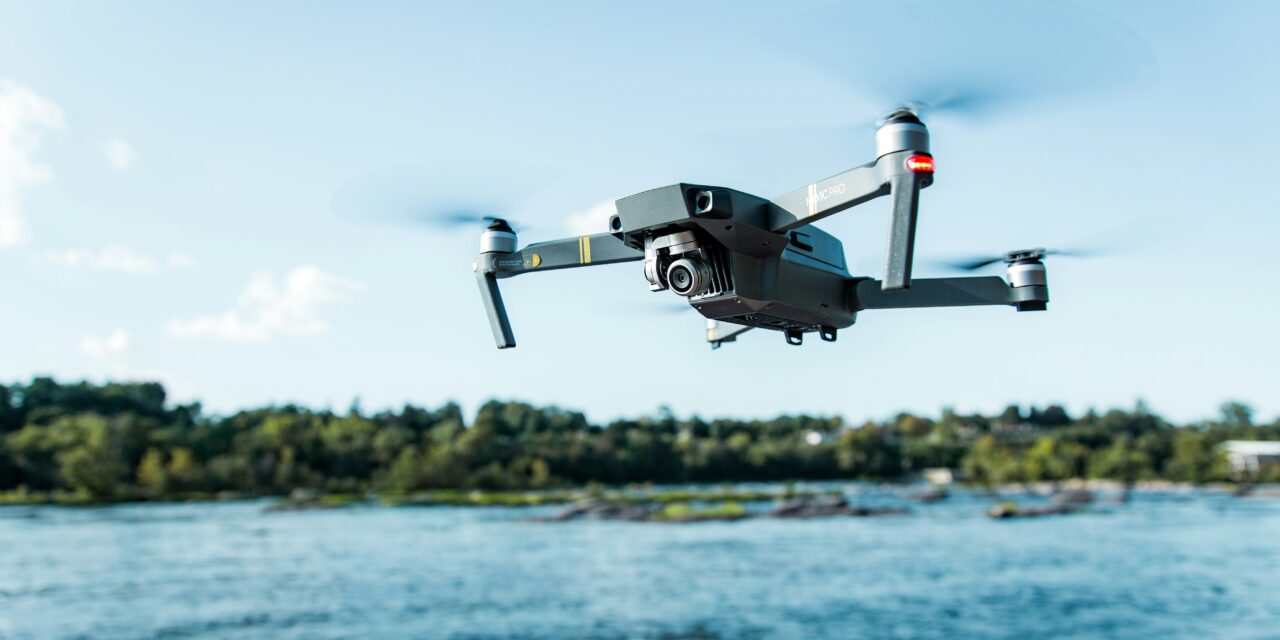

In a proactive response to the increasing threat of monsoon-induced disasters, the Khyber Pakhtunkhwa (KP) government has launched a new chapter in disaster management by deploying drones and modern rescue equipment for flood response operations. With climate change exacerbating the intensity and frequency of flooding in the region, KP’s shift towards technology-driven rescue operations marks a significant transformation in how the province prepares for and responds to natural disasters.
A New Era in Flood Management
Flooding has long been a recurring nightmare for the people of Khyber Pakhtunkhwa. From the 2010 super floods to the more recent disasters triggered by erratic monsoon patterns, the province has repeatedly found itself grappling with large-scale destruction. In many instances, slow response times and lack of modern equipment worsened the humanitarian crisis. Recognizing this, the KP government has taken a groundbreaking step to modernize its approach.
By incorporating drone technology, thermal imaging, water rescue boats, and advanced communication systems into its emergency response toolkit, KP aims to improve both the speed and efficiency of flood rescue operations.
Role of Drones in Rescue Operations
At the heart of this transformation is the deployment of drones equipped with high-resolution cameras and thermal sensors. These drones are capable of:
-
Monitoring real-time flood levels
-
Identifying stranded individuals in hard-to-reach areas
-
Assessing the structural integrity of bridges, roads, and buildings
-
Delivering emergency supplies to isolated communities
The drones can be rapidly deployed in affected areas, especially where access by land is hindered by washed-out roads or landslides. Live aerial footage provides command centers with valuable information, enabling faster, data-driven decision-making. Most importantly, drones reduce the need to send personnel into high-risk zones during initial assessment, significantly minimizing the danger to rescue teams.
Modern Equipment Enhancing Human Efforts
While drones are helping in mapping and reconnaissance, the KP Rescue 1122 teams have also been equipped with:
-
Inflatable motorized rescue boats
-
Life jackets and rescue tubes
-
Portable emergency lighting
-
Waterproof communication devices
-
Mobile medical units
These tools are vital in executing swift water rescues and reaching victims trapped in flooded homes or stranded on rooftops. The introduction of solar-powered communication tools also ensures that rescue units remain connected even when the power grid is down.
Rescue workers have undergone specialized training to operate this modern equipment effectively, including drills for night-time operations, high-flow river navigation, and helicopter airlift coordination with the Pakistan Army when necessary.
Bridging Urban and Rural Preparedness
Floods don’t discriminate between urban and rural landscapes. However, the response capabilities have historically been stronger in cities compared to rural or mountainous regions. To close this gap, KP’s emergency response teams are now being decentralized. Specialized mobile units are stationed in vulnerable districts like Chitral, Swat, DI Khan, and Nowshera — areas that have faced repeated flooding in the past.
These mobile units are fully equipped and able to reach remote valleys quickly, aided by drone mapping and updated weather forecasting systems. This decentralization means that smaller towns and villages can expect faster intervention, which can often mean the difference between life and death during critical hours.
https://www.tiktok.com/@naeemnb15/video/7439248876114021649?is_from_webapp=1&sender_device=pc&web_id=7522341443013363208
Community Involvement and Awareness
Technology alone cannot address the human aspects of disaster response. That’s why KP’s new flood strategy includes widespread community engagement programs. Local residents are being trained in basic flood safety protocols, emergency contact procedures, and the use of mobile apps for alerting authorities.
The Provincial Disaster Management Authority (PDMA) has partnered with local NGOs and schools to hold simulation drills and public awareness sessions. These programs focus on early evacuation, safe shelter identification, and first aid training. Through these efforts, KP is cultivating a culture of preparedness — ensuring that the population is not merely reliant on state services, but is also empowered to act during emergencies.
Climate Change and the Need for Tech Integration
KP’s initiative doesn’t exist in a vacuum. Pakistan, as a whole, ranks among the top 10 countries most vulnerable to climate change. The unpredictable nature of rainfall patterns, combined with melting glaciers and deforestation, has significantly increased the frequency of flash floods in the region.
Integrating technology into disaster response is no longer optional — it’s essential. Drones and smart sensors are part of a broader strategy that includes improving drainage systems, reforestation efforts, and better urban planning. While these long-term goals are critical, immediate preparedness through modern rescue equipment ensures that fewer lives are lost when disaster strikes.
Challenges Ahead
Despite these advancements, challenges remain. The topography of KP — with its rugged mountains and narrow valleys — presents natural barriers to technology deployment. Connectivity issues, power outages, and lack of roads in some areas complicate response efforts.
Moreover, maintaining and upgrading this new fleet of equipment requires sustained funding and political will. The provincial government must ensure that budgetary constraints do not hinder equipment maintenance or training programs. Without proper upkeep, even the most advanced tools can become ineffective over time.
There is also the challenge of inter-agency coordination. Smooth collaboration between Rescue 1122, the PDMA, local police, health departments, and the military is vital for the success of any flood rescue operation. To address this, KP has launched an integrated command and control system that centralizes communication and dispatching under a single digital platform.
A Model for Other Provinces
KP’s bold step could serve as a model for other provinces in Pakistan. Punjab and Sindh, which face their own flood challenges, may benefit from replicating KP’s drone deployment strategies and training models. Federal-level support can further amplify these efforts by establishing a national disaster tech fund to encourage similar innovations across the countrypexel